News
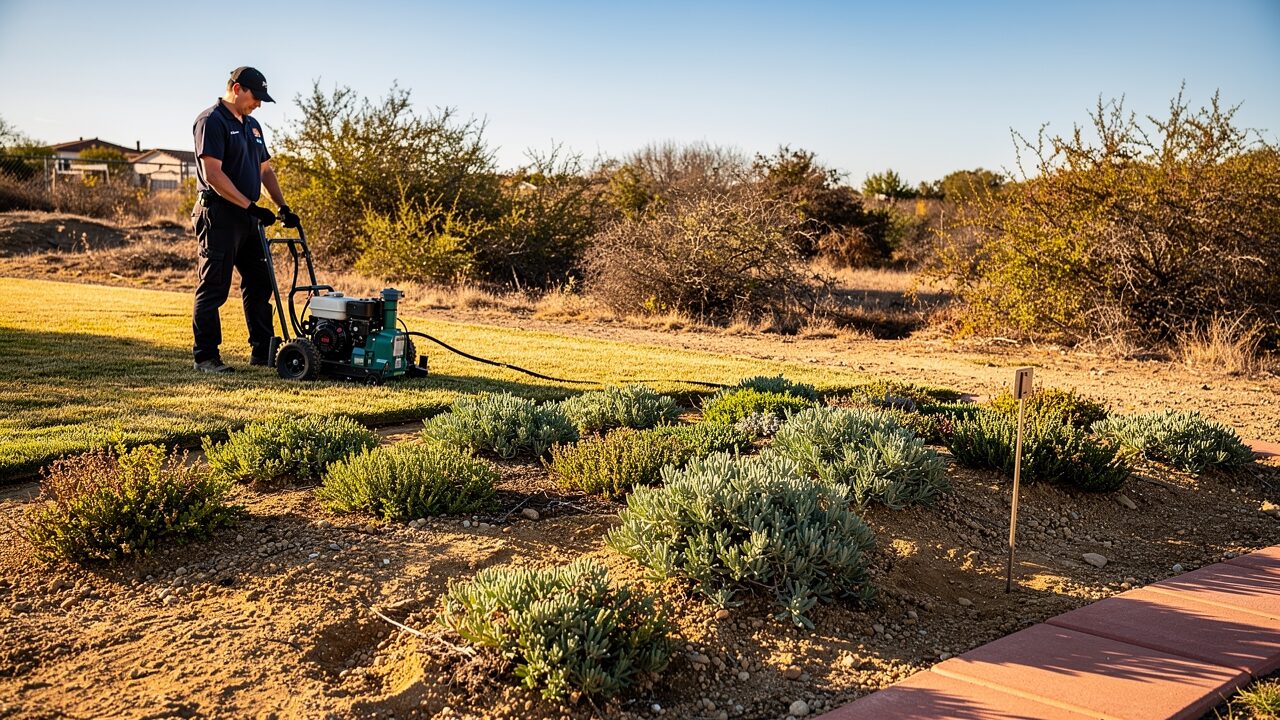
What to Plant Around Your Septic System in San Diego — And What to Avoid
Choosing the wrong trees or shrubs near a septic system can cause thousands of dollars in drain field damage. Dr. Septic San Diego explains which plants are safe to grow over and around your system, which ones pose the greatest root risk, and how to protect your drain field from underground damage.
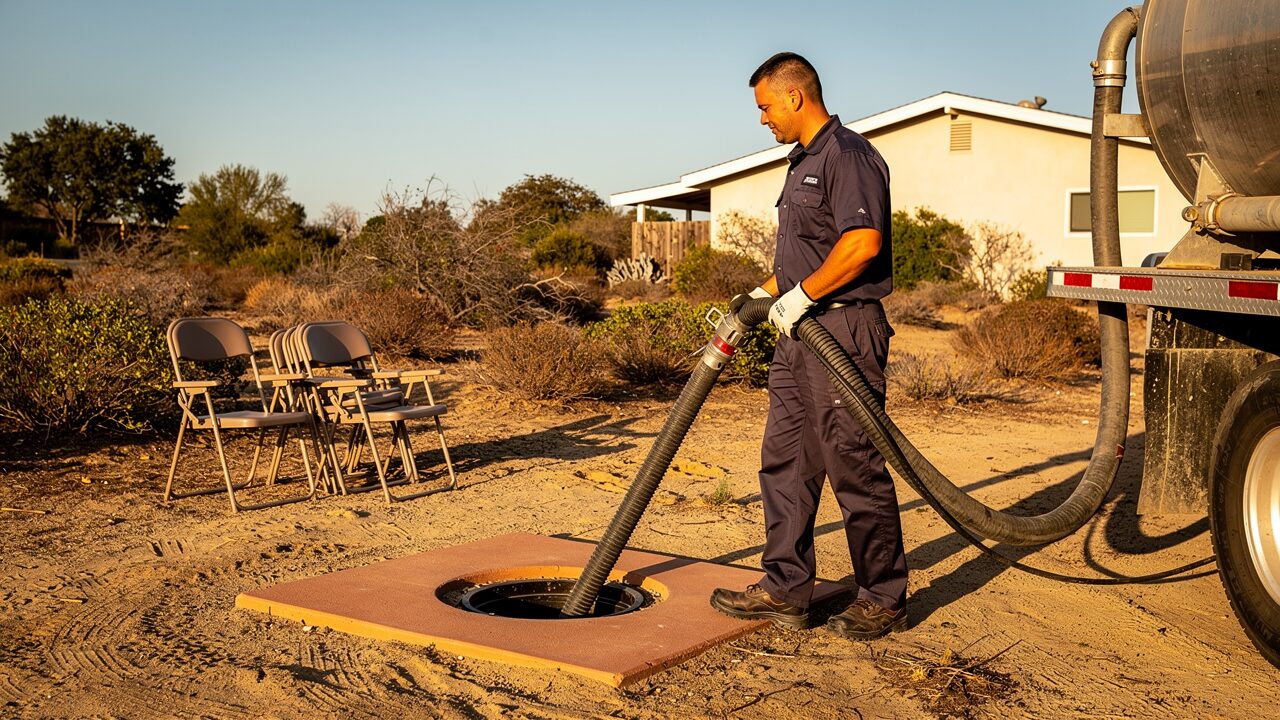
Summer Entertaining and Your San Diego Septic System: What Homeowners Must Know
Summer parties, extra guests, and increased water use push San Diego septic systems well past their limits. Dr. Septic San Diego covers the summer septic maintenance steps every East County and North County Inland homeowner needs — from pre-season pumping to recognizing a problem before it turns into an emergency.
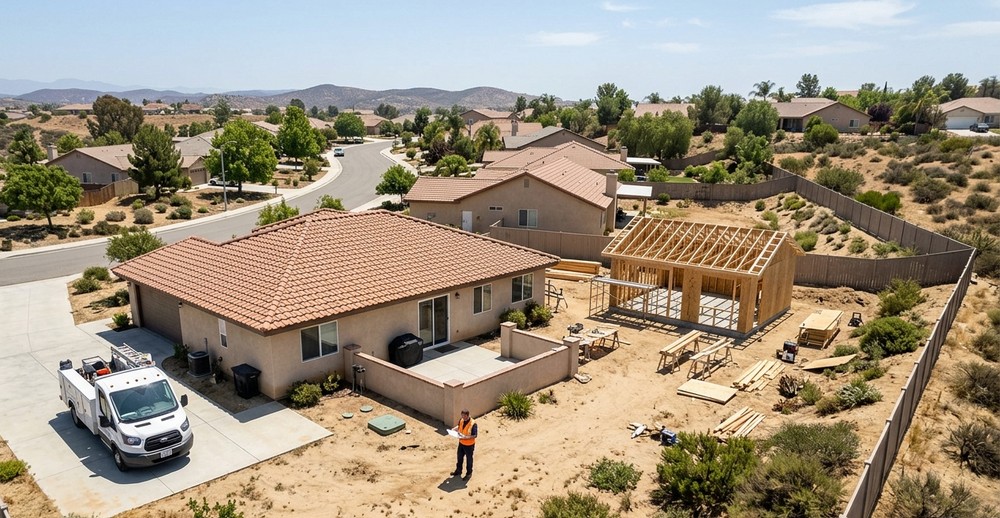
Building an ADU in San Diego? What You Need to Know About Your Septic System
Dr. Septic San Diego helps homeowners evaluate and upgrade their septic systems before adding an ADU. A San Diego ADU septic system must meet county capacity requirements set by the DEH — and most homeowners don’t know if their current tank qualifies until they schedule an inspection. This guide covers what San Diego ADU septic requirements look like, when upgrades are needed, and what costs to expect.
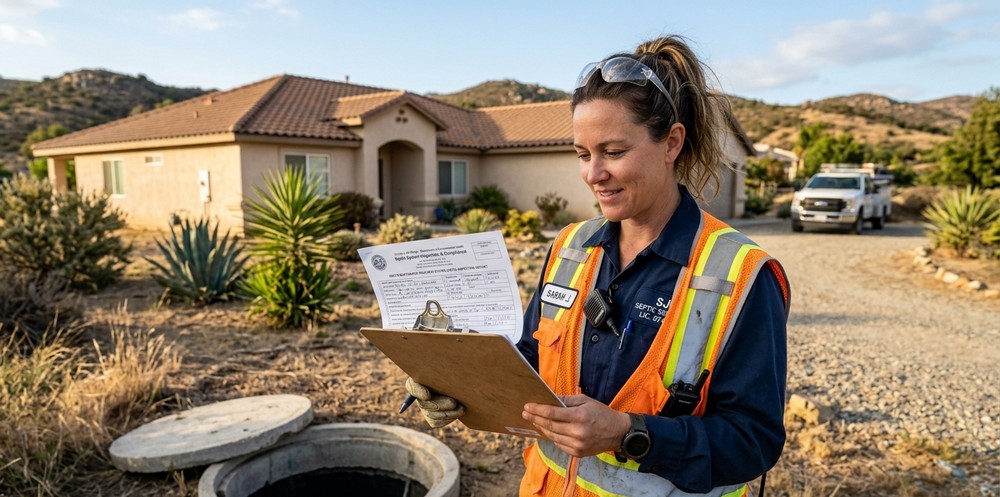
San Diego County Septic System Rules: What Every Homeowner Must Know in 2026
Dr. Septic San Diego breaks down exactly what San Diego County septic system regulations require of homeowners on private systems. From annual operating permits to six-year pumping records and DEH inspections, most homeowners have never read these rules — until something time-sensitive forces them to. This guide covers what the county actually checks, what triggers an inspection, and how to stay compliant without the stress.
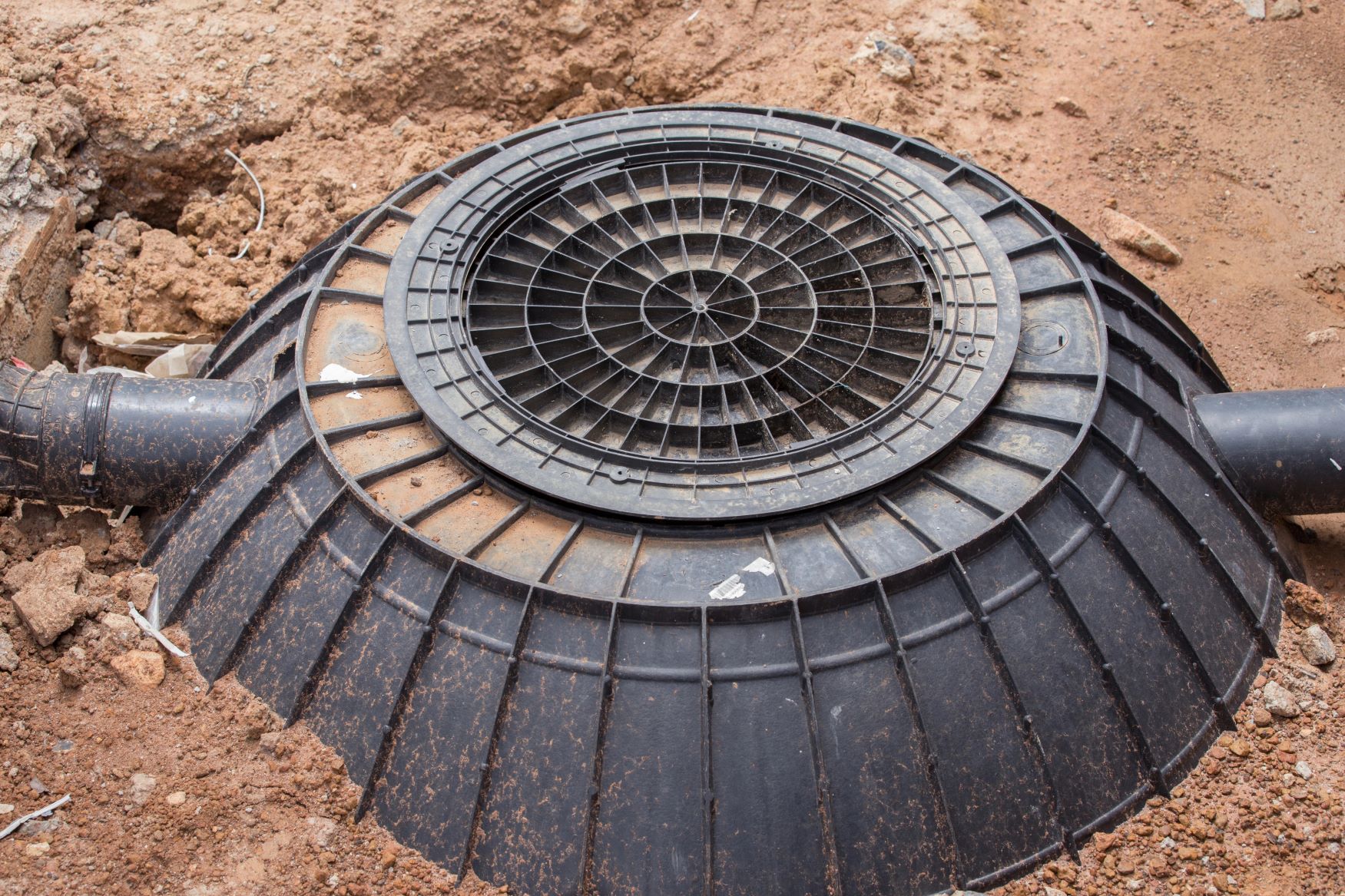
Should Your Septic Tank Smell Bad?
Dr. Septic helps San Diego homeowners diagnose and fix septic tank odors with professional pumping, inspections, and system repairs.
Septic Planning for New San Diego Construction
Dr. Septic helps San Diego property owners plan septic systems for new construction, from soil testing and permits to system selection and final inspection.
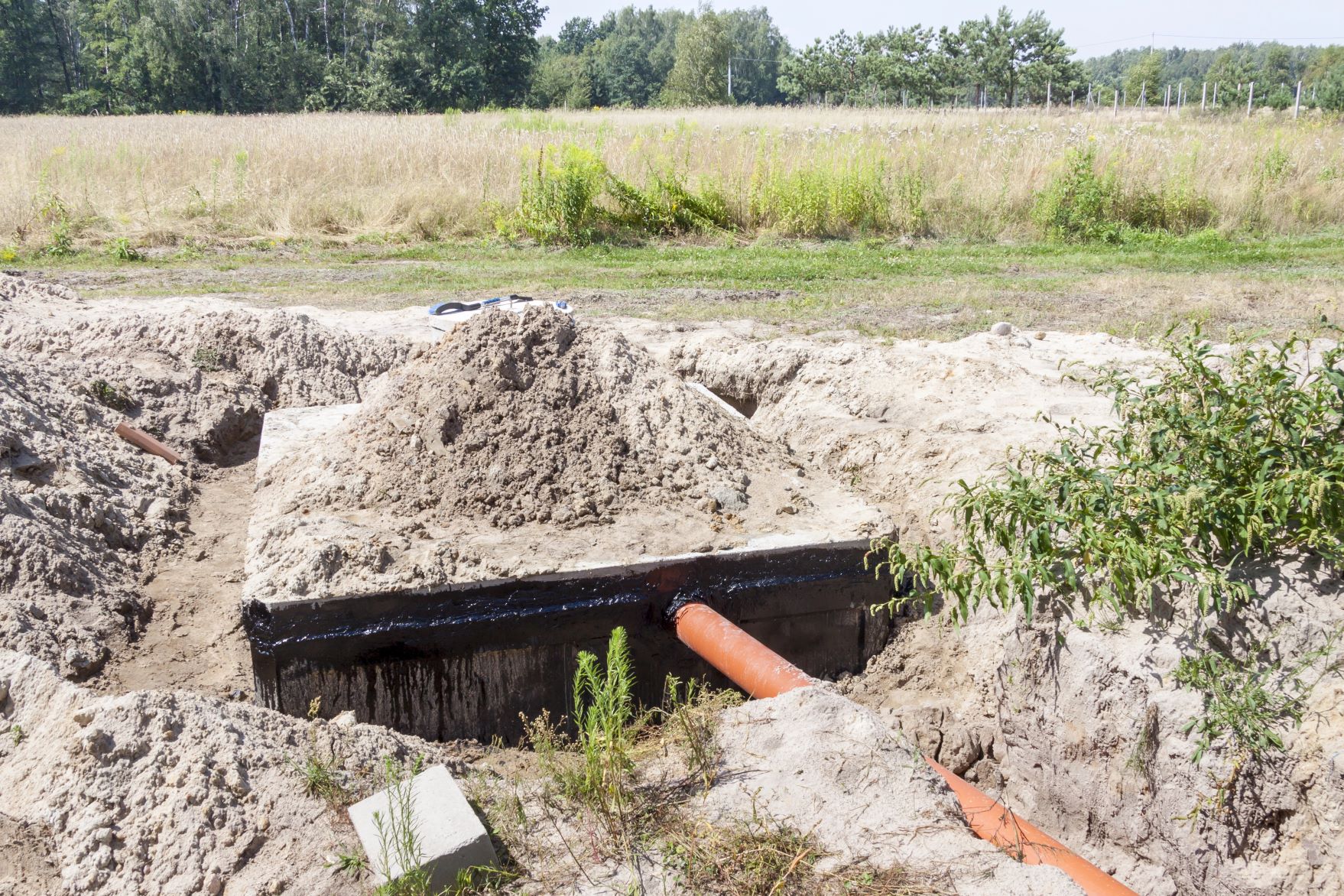
How to Determine If You Need a Drain Field for Your Septic
Determining if you need a drain field depends on your property’s soil conditions, lot size, and San Diego County septic regulations. Most conventional septic systems require drain fields for wastewater treatment, but properties with poor soil, limited space, or proximity to water sources may qualify for alternative systems.
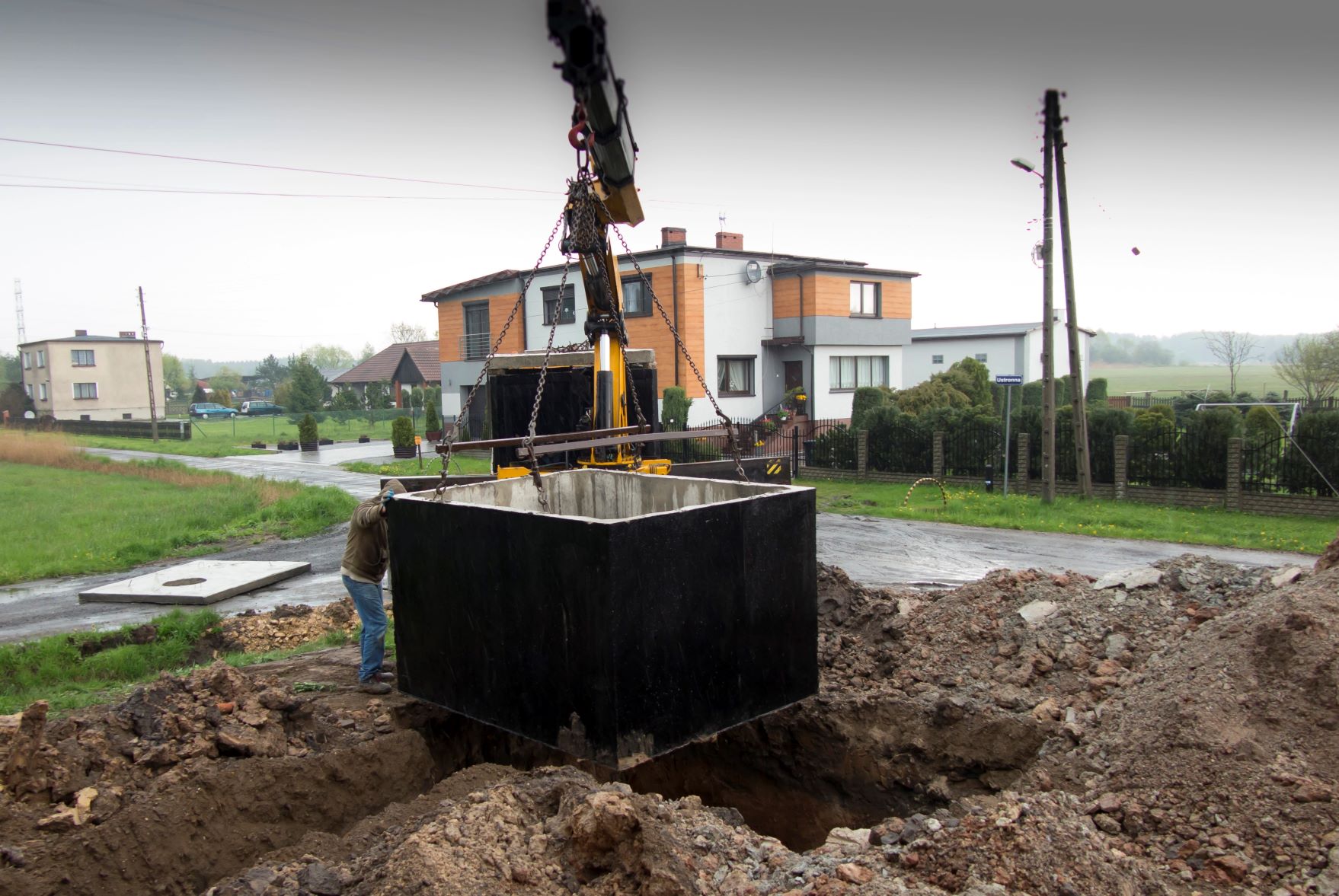
What Every Homeowner Should Know About Their Septic Tank
Your septic tank handles everything going down your drains. Knowing how it works, warning signs of failure, and maintenance basics protects your home and saves thousands in repairs.
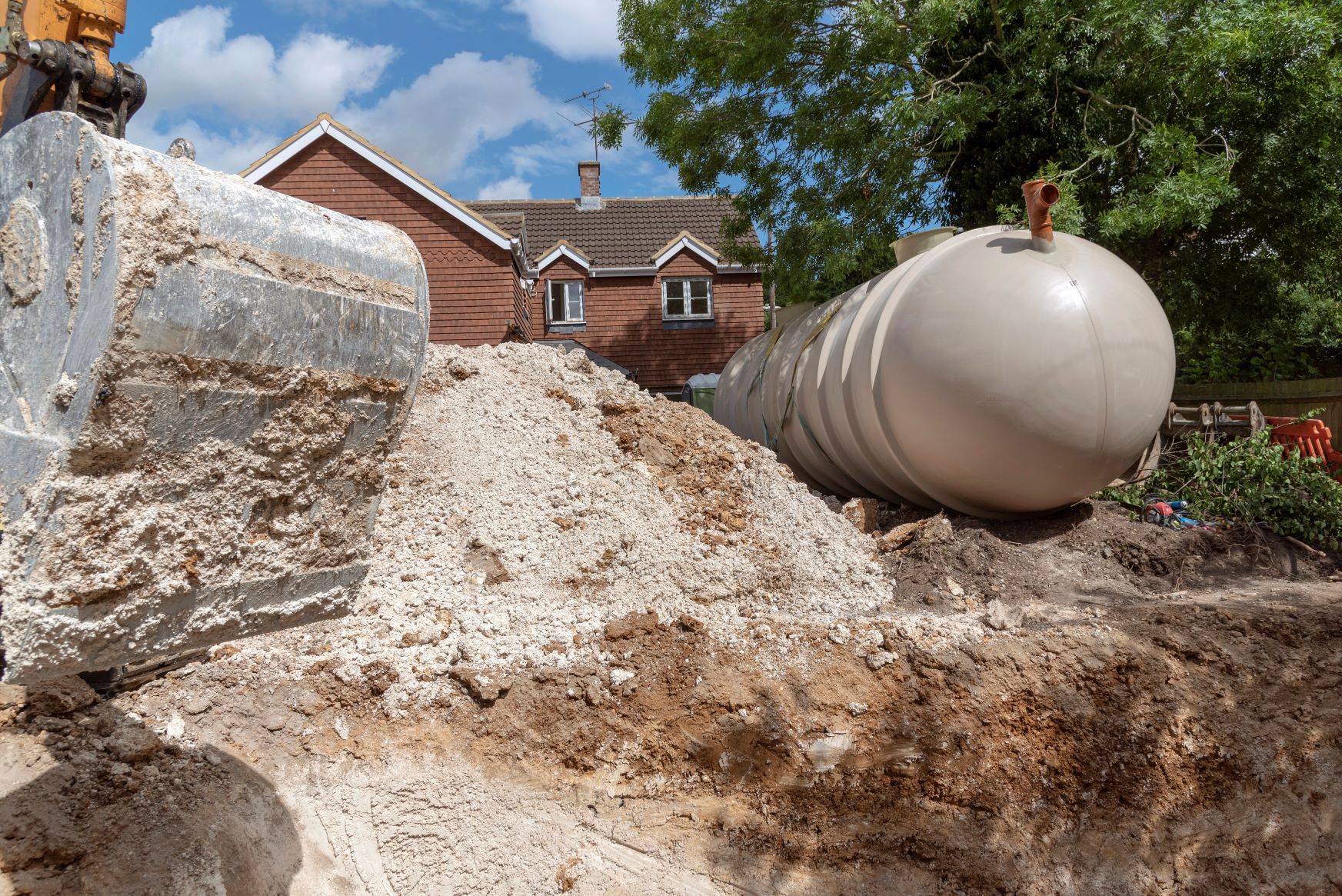
Why Commercial Septic Tank Inspection Matters for San Diego Businesses
Regular commercial septic tank inspections protect San Diego businesses from costly repairs, health code violations, and unexpected shutdowns that can damage your bottom line and reputation.
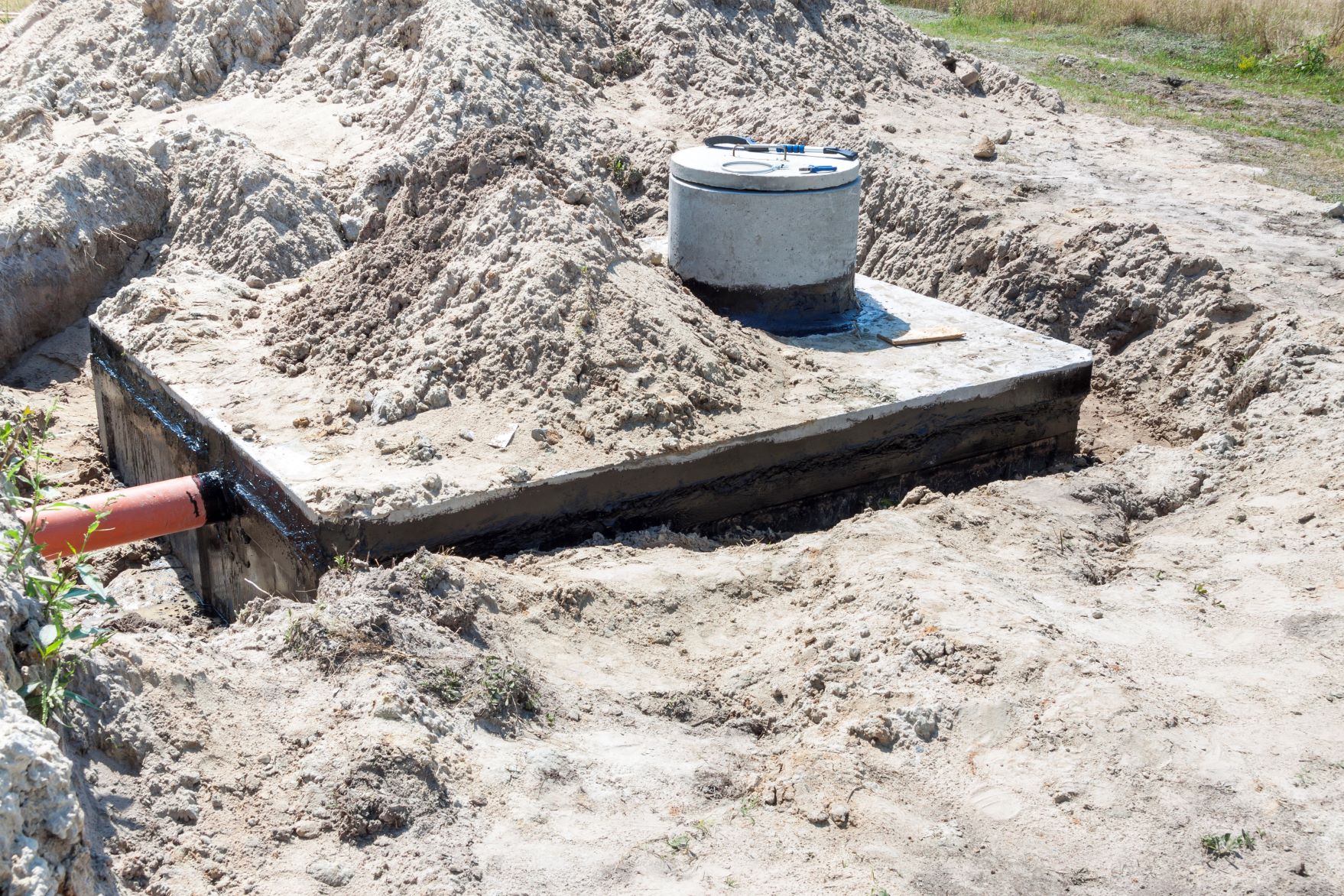
How Often Should You Have Your Septic Tank Checked?
Most septic systems need inspection every 1-3 years and pumping every 3-5 years. Household size, tank capacity, and water usage determine your specific schedule. Regular inspections prevent costly repairs and catch problems early.