Your septic system needs regular inspections to function properly and avoid costly repairs. Most experts recommend having your septic tank inspected every 1 to 3 years, with pumping typically needed every 3 to 5 years. The exact frequency depends on your household size, tank capacity, and water usage patterns.
Regular inspections catch small problems before they become expensive emergencies. A routine check costs a fraction of what you’ll pay for major repairs or a full system replacement. Professional inspections examine the tank’s structural integrity, measure sludge and scum levels, check baffles and filters, and assess the drain field condition.
Skipping inspections puts your property at risk. Warning signs like slow drains, sewage odors, or wet spots in your yard indicate your system needs immediate attention.
What Happens During a Septic Inspection
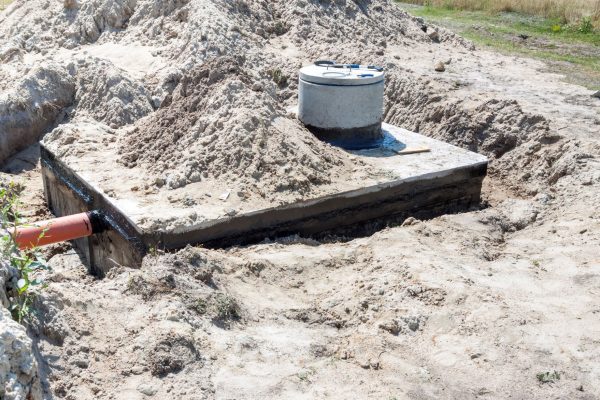
A thorough septic inspection involves multiple checkpoints. The technician locates and uncovers access ports, measures the layers inside your tank, and evaluates overall system health.
Measuring Sludge and Scum Levels
The inspector measures how much solid waste has accumulated at the bottom of your tank and how much scum floats on top. When the sludge layer reaches about one-third of the tank’s depth, pumping is necessary. These measurements determine your pumping schedule.
Checking System Components
The inspection includes examining inlet and outlet baffles for damage, testing the distribution box for proper flow, and checking all pipes for cracks or blockages. The technician also inspects the drain field for signs of failure like standing water or unusually lush grass.
Factors That Affect Inspection Frequency
Not all septic systems operate on the same schedule. Several factors determine how often you should schedule inspections.
Household Size: More people create more wastewater. A family of five generates significantly more waste than a couple, requiring more frequent inspections and pumping.
Tank Size: Smaller tanks fill faster and need more attention. A 1,000-gallon tank serving four people needs inspection more often than a 1,500-gallon tank serving the same household.
Water Usage Habits: High water consumption accelerates the need for service. Homes with water-softening systems, which discharge additional water into the septic system, may need annual inspections.
Garbage Disposal Use: Garbage disposals increase solid waste in your tank by up to 50%, requiring more frequent pumping and inspection.
Signs You Need Immediate Inspection
Some warning signs mean you shouldn’t wait for your scheduled inspection. Slow-draining sinks, toilets, or showers throughout your home suggest a full tank or drain field problems.
Odor and Surface Issues
Sewage smells near your tank or drain field indicate system failure. Wet, soggy areas over the drain field or standing water near the tank require immediate professional attention. Unusually green or lush grass over the drain field signals wastewater isn’t absorbing properly.
Indoor Warning Signs
Gurgling sounds from your plumbing system or sewage backing up into your home are urgent problems. Don’t ignore these signs—they typically worsen quickly and lead to expensive repairs.
The Cost of Neglecting Inspections
Skipping regular inspections seems like a way to save money, but the opposite is true. A standard inspection costs $200 to $500, while septic system repairs range from $1,500 to $5,000. Complete system replacement can exceed $25,000.
Neglected systems often fail without warning. Sewage backup inside your home creates health hazards and requires extensive cleanup. Failed drain fields damage your property and may contaminate groundwater, leading to environmental fines.
San Diego-Specific Considerations
San Diego’s soil conditions and regulations affect septic maintenance schedules. The county’s clay-heavy soils in some areas can reduce drain field efficiency, making regular monitoring more important.
Local regulations require property owners to maintain their systems properly. When selling a home with a septic system in San Diego County, you’ll need inspection records. Many buyers request recent inspection reports before closing.
The region’s occasional heavy rains can stress septic systems. After significant rainfall, having your system checked ensures everything continues working properly.
Creating Your Maintenance Schedule
Standard Maintenance Timeline:
- Annual inspections for households with 5+ people
- Every 2 years for households with 3-4 people
- Every 3 years for households with 1-2 people
- Pumping every 3-5 years for most residential systems
Keep detailed records of all inspections, pumping dates, and repairs. These records help technicians identify patterns and predict future service needs. Documentation also proves proper maintenance if you decide to sell your property.
Professional Septic Services in San Diego
Regular septic inspections protect your investment and prevent health hazards. Dr. Septic provides comprehensive septic tank inspections and maintenance services throughout San Diego County. Our experienced technicians identify potential problems early and keep your system running smoothly.
Schedule your septic inspection with Dr. Septic today to ensure your system operates safely and efficiently. We’ll assess your specific situation and recommend the right maintenance schedule for your household’s needs.