
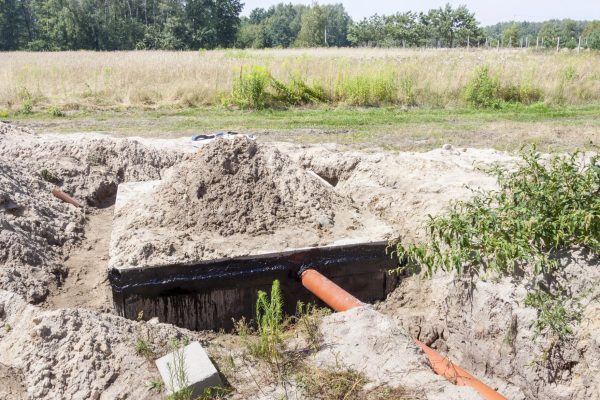
A drain field—also called a leach field—is an underground wastewater treatment component that filters effluent from your septic tank back into the soil. Not every property or septic system requires one, but most conventional septic installations in San Diego County do. Understanding whether you need a drain field depends on your property’s soil conditions, local regulations, lot size, and the type of wastewater treatment system you’re planning.
If you’re building new construction, adding a second unit, or replacing a failed septic system, determining drain field requirements is one of your first steps. San Diego County’s Department of Environmental Health sets specific standards for septic systems, and most require drain fields unless you qualify for an alternative treatment system. Properties with poor soil drainage, limited space, or proximity to water sources may face different requirements. Before you invest in septic planning, you need to know if a drain field is mandatory for your situation and whether your property can support one.
What Drain Fields Do and Why They Matter
Drain fields provide the final stage of wastewater treatment in conventional septic systems. After solids settle in your septic tank, liquid effluent flows through distribution pipes buried in gravel-filled trenches. The soil filters out bacteria, viruses, and nutrients before the water returns to the groundwater table.
Without proper filtration, untreated wastewater contaminates drinking water sources and creates health hazards. That’s why most residential septic systems require drain fields—they’re the natural filtration system that protects public health and the environment.
The size of your drain field depends on your home’s bedroom count (which determines wastewater volume) and your soil’s percolation rate. A typical three-bedroom home in San Diego needs 600-900 square feet of drain field area, though this varies based on soil testing results.
San Diego County Septic System Requirements
San Diego County requires permits for all new septic installations and major modifications. The Department of Environmental Health reviews your property to determine which type of system you can install.
Standard septic systems with drain fields are approved when properties meet specific criteria: adequate lot size, appropriate soil conditions, and proper setbacks from wells, property lines, and water bodies. If your property doesn’t meet these standards, you may need an alternative system.
Minimum lot sizes vary by area, but most unincorporated San Diego County locations require at least half an acre for conventional septic with a drain field. Smaller lots may qualify for alternative systems that don’t use traditional drain fields, such as aerobic treatment units or sand filters.
Your local building department can tell you which septic systems are approved for your area. Some communities restrict certain system types based on density, soil conditions, or environmental protections.
Soil Conditions That Determine Drain Field Viability
Soil testing is mandatory before drain field installation. A percolation test measures how quickly water drains through your soil, while soil profile analysis examines composition and depth to bedrock or groundwater.
Soil characteristics that affect drain field installation:
- Percolation rate (must fall within acceptable range—not too fast or too slow)
- Soil depth (need at least 4-5 feet of suitable soil above bedrock or groundwater)
- Soil texture (sandy loam is ideal; heavy clay or pure sand create problems)
- Seasonal water table levels (high water tables prevent proper drainage)
San Diego’s varied geology means soil conditions change dramatically between neighborhoods. Coastal areas often have sandy soil with high water tables. Inland valleys may have clay-heavy soil that drains slowly. Mountain and foothill properties face shallow bedrock issues.
If your soil fails percolation testing or lacks adequate depth, you can’t install a standard drain field. You’ll need an engineered alternative system, which typically costs more but works on challenging properties.
Property Size and Setback Requirements
Drain fields need specific distances from various property features. San Diego County requires setbacks from wells (100 feet minimum), property lines (5-10 feet), buildings (20 feet), and water sources.
These setback requirements mean you need substantial usable land area. A property might have one acre total but only a quarter-acre of suitable drain field space after accounting for the building footprint, driveway, setbacks, and unusable slopes.
Steep slopes present additional challenges. Drain fields work best on level or gently sloping ground (less than 30% grade). Properties with significant slope may need specialized installation techniques, terraced fields, or pressure distribution systems that increase costs.
Calculate your available area before assuming you can install a drain field. Measure from your proposed home site, well location, property boundaries, and any streams or drainage areas. Dr. Septic can assess your property and determine if you have adequate space for drain field installation.
Alternative Systems When Drain Fields Won’t Work
Several septic system types don’t use conventional drain fields. These alternatives work on properties where soil, size, or other limitations prevent standard installation.
Aerobic treatment units (ATUs) use mechanical aeration to break down waste more completely than conventional septic tanks. The treated effluent can be dispersed in smaller areas or through drip irrigation systems, requiring less space than traditional drain fields.
Sand filters treat wastewater through layers of sand media instead of native soil. Mound systems build up suitable soil above ground when natural soil is too shallow or slow-draining. Both options work on challenging sites but require more maintenance and higher installation costs.
Cesspool conversions and small-volume systems serve single-family homes on undersized lots in some San Diego areas. These systems have specific regulations and may require professional maintenance contracts.
Signs You Need Professional Drain Field Assessment
Several situations require professional evaluation before you proceed with property development or septic planning.
Contact a septic professional when:
- You’re purchasing rural property without public sewer access
- Planning new construction or adding a second dwelling unit
- Your existing septic system failed and needs replacement
- You received notice of septic system violations or required upgrades
- You’re subdividing property and each lot needs its own septic system
Professional assessment includes site evaluation, soil testing, system design, and permit application. Septic designers analyze your specific property conditions and recommend the most cost-effective compliant system.
Starting with professional input saves money. Installing the wrong system or discovering mid-construction that your property can’t support your planned system creates expensive delays.
Cost Factors for Drain Field Installation
Drain field installation costs vary based on soil conditions, system size, property access, and local labor rates. In San Diego County, expect $8,000-$15,000 for a standard drain field as part of a complete septic system installation.
Properties with difficult soil may need engineered systems costing $15,000-$40,000 or more. Rock excavation, pressure distribution requirements, or alternative treatment systems all increase expenses.
Soil testing and engineering fees run $1,500-$3,000 before installation begins. These upfront costs determine system requirements and prevent expensive mistakes.
Factor in long-term costs too. Standard drain fields need minimal maintenance beyond regular septic tank pumping. Alternative systems often require annual service contracts, additional power consumption, and more frequent repairs.
Understanding whether you need a drain field—and whether your property can support one—guides realistic budgeting for septic installation. Properties that can’t accommodate standard drain fields face higher costs but still have viable options for legal wastewater treatment.