
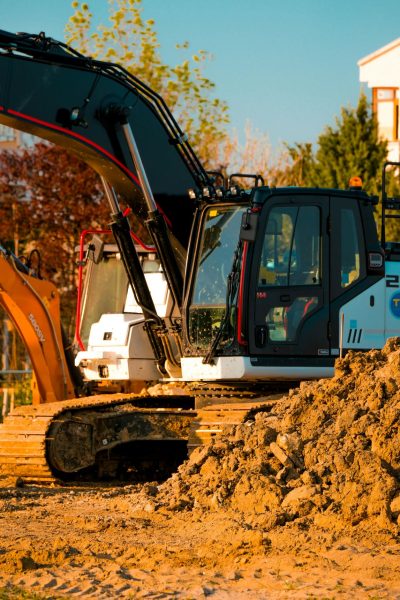
Planning a new construction project in San Diego County means making decisions about wastewater management early. For properties outside municipal sewer lines, a septic system is the foundation of your entire plumbing design. Getting septic planning right from the start saves thousands in avoidable costs and keeps your project on schedule. Dr. Septic helps San Diego property owners navigate every phase of septic planning for new builds, from initial soil testing to final inspection. Whether you’re building a custom home in a rural part of the county or developing a small commercial property, understanding the septic process before breaking ground puts you in control of your timeline and budget.
This guide covers what’s involved in planning a septic system for new construction, including permits, soil evaluations, system sizing, and the inspections required before you can occupy your new building.
Understanding Septic Requirements in San Diego County
San Diego County has specific regulations governing onsite wastewater treatment systems. Before any construction begins, the Department of Environmental Health (DEH) must approve your septic plan.
Local Permitting and Regulatory Oversight
The DEH reviews all applications for new septic installations. This includes a site evaluation, system design review, and construction permit. Without DEH approval, your building permit will not move forward.
Applications require a detailed plot plan showing the proposed building footprint, well locations if applicable, property boundaries, and the intended septic system placement. Expect the permitting process to take several weeks, so factor this into your construction timeline from the beginning.
Zoning and Setback Rules
Septic systems must meet minimum setback distances from structures, property lines, wells, waterways, and slopes. In San Diego County, these setbacks vary depending on the type of system and the characteristics of your lot. Failing to account for setback requirements early can force costly redesigns once construction is underway.
Soil Testing and Site Evaluation
Before selecting a septic system, you need to know what’s happening underground. Soil conditions directly determine which system types will work on your property.
Percolation Testing
A percolation test, commonly called a perc test, measures how quickly water drains through the soil. This rate affects the size and type of leach field your property can support. Sandy soils drain fast, while clay-heavy soils drain slowly. Both extremes present challenges that influence system design.
Perc tests must be conducted by a qualified professional and submitted to DEH as part of your permit application. Schedule this testing early because results can reshape your entire septic plan.
Soil Profile and Groundwater Assessment
Beyond percolation rates, evaluators examine the soil profile at various depths and check for seasonal groundwater levels. High groundwater tables limit conventional system options and may require alternative or engineered solutions. Properties on slopes or near waterways face additional scrutiny under county guidelines.
Choosing the Right Septic System
Not every property qualifies for a conventional gravity-fed septic system. Your soil results, lot size, and intended water usage all factor into system selection.
Conventional vs. Alternative Systems
A conventional system uses a septic tank and gravity-fed drain field. It’s the most common and cost-effective option when soil and lot conditions allow. When they don’t, alternative systems come into play. These include:
- Pressure distribution systems that pump effluent evenly across the drain field
- Sand filter systems designed for properties with poor-draining soil
- Aerobic treatment units that introduce oxygen to speed up waste breakdown
- Mound systems built above grade when soil depth or groundwater is a limiting factor
Each alternative adds cost and maintenance requirements. Understanding your options before committing to a building design helps you budget accurately and avoid mid-project changes.
System Sizing Based on Water Usage
Septic systems are sized according to projected daily water usage, which is calculated based on the number of bedrooms, bathrooms, and fixtures in the building. A three-bedroom home requires a different system capacity than a five-bedroom home.
For commercial properties, usage calculations account for the number of employees, customers, and water-intensive operations. Undersizing a system leads to premature failure. Oversizing wastes money. Work with your septic professional to match the system to realistic usage projections.
Integrating Septic Into Your Construction Timeline
Septic work needs to happen at specific points during the build, not as an afterthought tacked on later.
When to Begin Septic Planning
Start septic planning during the pre-design phase, before architectural drawings are finalized. The location and type of septic system can influence where the building sits on the lot, where landscaping goes, and how grading is handled.
Waiting until construction is underway to address septic creates scheduling conflicts with other trades. It can delay your project by weeks or months.
Coordinating With Your General Contractor
Your general contractor and septic installer need to communicate throughout the build. Excavation for the septic tank and drain field has to be coordinated with foundation work, utility trenching, and grading. The septic system also requires inspections at specific construction milestones before other work can continue.
Budgeting for Septic on a New Build
Septic costs vary widely depending on system type, soil conditions, and lot complexity. Having a realistic budget from the start prevents surprises halfway through your project.
A conventional system in San Diego County typically costs between $10,000 and $25,000 installed. Alternative systems can run $20,000 to $50,000 or more depending on engineering requirements. These figures include the tank, distribution components, drain field construction, and labor.
Don’t forget to budget for:
- Perc testing and soil evaluation fees
- DEH permit and plan review fees
- Engineering or design costs for alternative systems
- Final inspection fees
- A maintenance agreement for the first year of operation
Building these line items into your construction budget early eliminates the shock of unexpected septic expenses during the project.
Inspections and Final Approval
San Diego County requires multiple inspections during septic installation. These checkpoints confirm the system is built according to the approved design.
Pre-Cover Inspection
Before the drain field is covered with soil, a DEH inspector must verify that all components are installed correctly. This includes checking pipe grades, distribution box placement, and drain field dimensions. If the installation doesn’t match the approved plan, corrections must be made before the project moves forward.
Final System Approval
Once the system passes all inspections, DEH issues final approval. This step is a prerequisite for receiving your certificate of occupancy. No final septic approval means no moving in, so keep inspection scheduling tight on your project calendar.
Working With an Experienced Septic Professional
Septic planning for new construction involves engineering, regulatory compliance, and coordination with multiple contractors. Choosing the right septic partner makes the entire process more efficient and less stressful.
An experienced septic professional handles the permitting paperwork, manages soil testing, coordinates with your builder, and ensures every inspection passes on the first attempt. That level of support keeps your construction project on track from the first shovel to the final walkthrough.
If you’re starting a new build in San Diego County and need guidance on your septic system, contact Dr. Septic to schedule a consultation.