
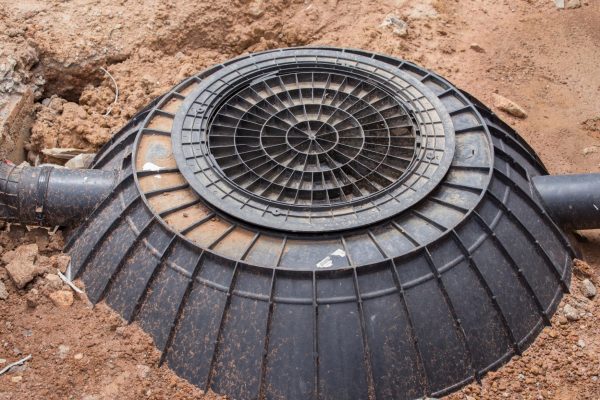
If you’re catching a foul smell near your septic tank, something isn’t right. A properly functioning septic system should operate without producing noticeable odors inside or outside your home. When bad smells show up, they’re a direct signal that your system needs attention — and ignoring them can lead to costly damage. Dr. Septic, a trusted septic service provider in San Diego, helps homeowners identify and resolve these issues before they turn into full system failures. Whether the smell is coming from your drains, your yard, or near the tank itself, the cause matters. Septic odors typically point to problems like gas buildup, drainage failure, or a tank that’s overdue for pumping. The good news is that most septic smells have straightforward fixes when caught early. This guide breaks down what causes septic tank odors, where they come from, and what you should do about them.
What a Healthy Septic System Smells Like
A healthy septic tank does produce gases. Bacteria inside the tank break down solid waste, and that process generates hydrogen sulfide, methane, and carbon dioxide. But these gases are supposed to be vented safely through your home’s plumbing vent stack, which directs them above the roofline where they dissipate.
You shouldn’t smell anything at ground level. If your system is sized correctly, pumped on schedule, and all components are intact, the odor stays contained. A noticeable smell — whether faint or strong — means something in that process has broken down.
Common Causes of Septic Tank Odors
Several issues can cause your septic system to produce noticeable smells. Understanding the source helps you determine whether it’s a quick fix or a professional repair.
Dried-Out Drain Traps
Every drain in your home has a P-trap — a curved section of pipe that holds water and blocks sewer gases from entering your living space. When a sink, shower, or floor drain goes unused for weeks, that water evaporates. Once the trap dries out, gases flow freely into the house.
A Full or Overdue Tank
When your septic tank reaches capacity, solids can build up to the point where gases aren’t properly contained. The tank loses its ability to separate waste layers effectively, and odors escape through drains, cleanout caps, or the tank lid itself.
Damaged or Blocked Vent Pipes
Your plumbing vent pipe allows gases to exit through the roof. If that pipe is cracked, clogged with debris, or blocked by a bird’s nest, gases get trapped in the system and push back into the house through the nearest available opening — usually your drains.
Odors Inside Your Home vs. Outside
Where you smell the odor tells you a lot about the problem.
Indoor smells usually point to plumbing issues: dry traps, cracked vent pipes, or loose toilet seals. These are often fixable without touching the tank itself.
Outdoor smells near the tank or drain field suggest a system-level problem. This could mean the tank is full, the drain field is saturated, or there’s a crack in the tank lid allowing gases to escape at ground level. Outdoor odors that persist after pumping need professional inspection.
Warning Signs That Accompany Septic Smells
A bad smell rarely shows up alone. Watch for these accompanying signs that indicate a bigger issue:
- Slow drains in multiple fixtures throughout the house
- Gurgling sounds when toilets flush or sinks drain
- Wet or soggy patches in the yard near the drain field
- Unusually green or thick grass growing over the septic area
If you notice any combination of these alongside a persistent odor, your system likely needs more than a simple fix. These patterns often indicate drain field saturation or a tank that hasn’t been serviced in too long.
How Household Habits Affect Septic Odors
What goes down your drains directly impacts how your septic tank performs and whether it produces odors.
Chemical Cleaners and Antibacterial Products
Harsh chemicals kill the bacteria your tank relies on to break down waste. Without healthy bacterial activity, solids accumulate faster, gases increase, and smells become noticeable sooner. Bleach, drain cleaners, and antibacterial soaps are the most common offenders.
Water Overload
Running multiple water-heavy appliances at the same time floods the tank faster than it can process. This pushes solids into the drain field and disrupts the separation process inside the tank, both of which contribute to odor problems.
What to Do When You Notice a Smell
Not every septic odor requires an emergency call, but none of them should be ignored. Here’s how to approach it:
- Run water in unused drains to refill dried-out P-traps
- Check the plumbing vent on your roof for visible blockages
- Inspect the septic tank lid and risers for cracks or gaps
- Review your pumping records to confirm the tank isn’t overdue for service
If the smell persists after checking these basics, it’s time to call a professional. A trained technician can inspect the tank level, test the drain field, and identify issues that aren’t visible from the surface.
How Regular Maintenance Prevents Odor Problems
Most septic odors are preventable with consistent maintenance. Pumping your tank every three to five years — depending on household size and usage — keeps solids from building up to problem levels. Annual inspections catch small issues like cracked lids, failing baffles, or early drain field stress before they produce symptoms.
Homeowners who stay on a maintenance schedule rarely deal with odor complaints. The cost of routine service is a fraction of what a failed drain field or full system replacement runs.
Keep Your Septic System Running Clean With Dr. Septic
A smelly septic tank isn’t normal, and it’s not something you should get used to. Whether the problem is a dried-out trap you can fix yourself or a failing drain field that needs professional diagnosis, acting early saves you money and protects your property. Dr. Septic serves homeowners across San Diego with septic pumping, inspections, and full system repairs. If you’re dealing with persistent odors or it’s been more than a few years since your last service, schedule an appointment with Dr. Septic and get your system back to where it should be — working quietly and without a trace.