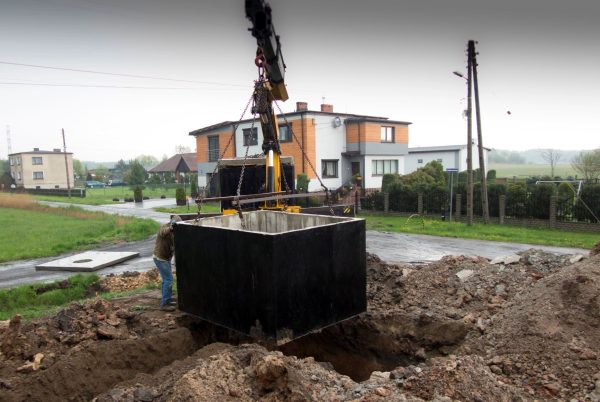
Your septic tank is an underground wastewater treatment system that handles everything going down your drains. Solid waste sinks to the bottom as sludge, oils float to the top as scum, and liquid wastewater flows out to the drain field where soil filters it naturally. Most San Diego homes have tanks between 1,000 and 1,500 gallons, sized based on square footage and bedrooms. Regular maintenance prevents costly failures, and knowing warning signs—slow drains, foul odors, standing water over the drain field—helps you catch problems early. Homeowners should pump their tanks every 3 to 5 years depending on household size and usage. The wrong items flushed down toilets cause blockages and kill the bacteria your system needs to function. Understanding these basics protects your investment and keeps your home’s plumbing running smoothly for years.
How Your Septic System Works
When wastewater leaves your home, it enters the septic tank through the main sewer line. Inside the tank, gravity separates everything into three layers. Heavy solids settle at the bottom, fats and oils rise to the surface, and relatively clear water sits in the middle.
This middle layer, called effluent, flows out to the drain field through perforated pipes. The soil acts as a natural filter, removing harmful bacteria and nutrients before the water rejoins the groundwater supply.
The Role of Bacteria
Bacteria inside your tank break down organic matter continuously. This natural process reduces solid waste volume but never eliminates it completely. Accumulated sludge and scum must be pumped out periodically, or they’ll overflow into your drain field and cause failure.
The bacteria in your septic system are anaerobic, meaning they work without oxygen. Introducing harsh chemicals kills these organisms and disrupts the entire treatment process.
Warning Signs of Septic Problems
Catching issues early saves thousands in repair costs. Pay attention when multiple drains slow down simultaneously—this usually indicates a full tank or clog in the main line.
Gurgling sounds from toilets or drains suggest air trapped in the system. Sewage odors inside your home or near the tank area mean waste isn’t processing correctly.
Drain Field Red Flags
Standing water or soggy ground over your drain field signals that effluent is surfacing instead of filtering through soil. Unusually green or fast-growing grass in this area indicates the same problem—wastewater is fertilizing the surface rather than dispersing underground.
If you notice any of these signs, contact a professional immediately. Dr. Septic serves San Diego County with fast, reliable service—call us before minor issues become major emergencies.
Pumping Frequency Guidelines
The standard recommendation is pumping every 3 to 5 years, but several factors affect your specific schedule:
- Household size and daily water consumption
- Tank capacity relative to usage
- Garbage disposal use (increases solids significantly)
- System age and condition
- Number of bathrooms in the home
A four-person household with a 1,000-gallon tank typically needs service every 2 to 3 years. Smaller households or larger tanks may extend intervals safely.
Keeping Records
Document every pumping, inspection, and repair with dates and findings. This history helps service providers diagnose problems and proves valuable when selling your home.
What Goes Down Your Drains Matters
Your septic system handles human waste and water. Everything else creates potential problems.
Toilet paper breaks down readily, though septic-safe varieties dissolve faster. Water from showers, sinks, and appliances processes normally. Spread laundry loads across the week rather than running multiple loads daily to avoid overwhelming the system.
Items That Damage Septic Systems
Many common products cause clogs, kill bacteria, or accumulate in ways your tank can’t handle:
- Wipes of any kind, including those labeled flushable
- Feminine hygiene products and cotton swabs
- Cooking grease, oils, and food scraps
- Coffee grounds and eggshells
- Medications and vitamins
- Household cleaners, paint, and solvents
- Cat litter, even flushable varieties
- Paper towels, tissues, and napkins
These materials don’t decompose properly and shorten your system’s lifespan dramatically.
Protecting Your Drain Field
Drain field repairs cost $10,000 to $30,000 depending on property conditions. Prevention makes more financial sense than replacement.
Never drive or park vehicles over the drain field. The weight compacts soil and crushes underground pipes. Heavy equipment during landscaping or construction causes similar damage.
Smart Landscaping Choices
Grass provides the best ground cover for drain fields. It prevents erosion while allowing proper evaporation and oxygen exchange. Avoid planting trees or large shrubs within 30 feet—roots seek moisture and will penetrate drain lines.
Keep the area free of concrete, asphalt, plastic sheeting, and structures. These surfaces prevent the oxygen exchange necessary for proper soil treatment.
Water Usage and System Health
Excessive water overwhelms your septic tank. When too much enters too quickly, solids don’t have time to settle properly. Unsettled waste flows into the drain field and causes premature failure.
Fix leaking faucets and running toilets promptly. A single running toilet wastes hundreds of gallons daily. Install low-flow fixtures to reduce overall consumption without changing habits.
Spreading Out Usage
Run dishwashers and washing machines at different times rather than simultaneously. Do one or two laundry loads per day instead of several back-to-back. These simple adjustments give your tank time to process waste effectively.
The Truth About Septic Additives
Products claiming to eliminate pumping or boost system performance fill store shelves. Research consistently shows these additives provide no benefit and often cause harm.
Your septic tank generates all the bacteria it needs naturally. Chemical additives kill beneficial organisms or stir up settled solids, pushing them into your drain field. Biological additives add bacteria your system already produces.
Save your money. Regular pumping and responsible usage habits keep septic systems functioning properly without supplements.
Long-Term System Care
Know your septic system’s exact location. Mark the tank access lid and drain field boundaries to prevent accidental damage during yard work or future projects.
Schedule inspections every 1 to 3 years, even between pumping visits. Professionals can identify developing problems before they require expensive repairs.
Protect trees and shrubs already growing near your system. If roots become problematic, removal may be necessary to save the drain field.
Planning for the Future
Septic systems last 25 to 40 years with proper maintenance. Plan for eventual replacement by understanding your property’s layout and soil conditions. When the time comes, you’ll make better decisions with accurate information already in hand.
Keep Your System Running Right
Septic problems don’t fix themselves—they get worse and more expensive. The homeowners who avoid emergency repairs are the ones who pump on schedule, watch what goes down their drains, and address warning signs immediately.
If you’re overdue for service or noticing anything unusual, don’t wait. Dr. Septic provides septic pumping, inspections, and repairs throughout San Diego County. Contact us today to schedule an appointment and protect your home’s wastewater system before small issues turn into big ones.