A commercial septic tank inspection protects your business from costly repairs, health code violations, and unexpected shutdowns. For restaurants, hotels, office buildings, and retail centers across San Diego, regular inspections identify problems before they become emergencies.
Unlike residential systems, commercial septic systems handle significantly higher volumes of waste. This increased demand accelerates wear and creates more opportunities for failure. A commercial septic inspection catches early warning signs like tank cracks, drainfield saturation, and pump malfunctions that could otherwise lead to sewage backups during peak business hours.
San Diego County requires commercial properties to maintain functioning wastewater systems. Failing an inspection during a health department visit can result in fines, forced closures, and damage to your reputation. Scheduling proactive inspections keeps your business compliant and operational.
What Happens During a Business Septic Inspection
A thorough business septic inspection examines every component of your wastewater system. Inspectors assess the condition and functionality of each part to determine system health and remaining lifespan.
Tank Assessment
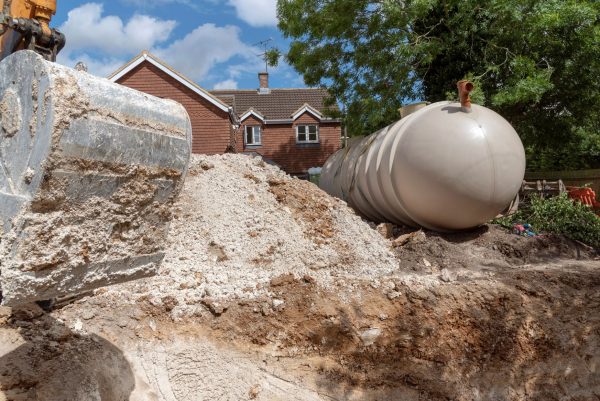
Technicians measure sludge and scum levels inside the tank. When solids accumulate past recommended thresholds, they can flow into the drainfield and cause permanent damage. Inspectors also check for cracks, corrosion, and structural integrity issues that could lead to groundwater contamination.
Component Evaluation
Beyond the tank itself, inspectors examine inlet and outlet baffles, distribution boxes, pumps, and alarm systems. For commercial properties with lift stations or dosing systems, these components require specialized attention to ensure proper function under heavy use.
Drainfield Analysis
The drainfield handles the final treatment and dispersal of wastewater. Inspectors look for signs of saturation, ponding, or vegetation changes that indicate system stress. Early detection of drainfield problems can save businesses tens of thousands of dollars in replacement costs.
Signs Your Commercial Property Needs Immediate Inspection
Don’t wait for a scheduled inspection if your property shows warning signs. Addressing problems quickly prevents minor issues from becoming major disasters.
Slow drains throughout the building often indicate tank capacity issues or pipe blockages. Foul odors near the tank or drainfield suggest system failure or improper venting. Standing water or unusually green grass over the drainfield points to saturation problems requiring immediate attention.
Gurgling sounds from plumbing fixtures and sewage backups demand urgent professional evaluation. These symptoms indicate your system cannot handle current waste volumes and may fail completely without intervention.
How Often Should Businesses Schedule Septic Inspection for Businesses
The frequency of septic inspection for businesses depends on several factors. Industry type, water usage, and system age all influence recommended inspection schedules.
High-Volume Businesses
Restaurants, hotels, and laundromats should schedule inspections every six months to one year. These businesses generate significant wastewater with higher concentrations of grease, detergents, and organic matter that accelerate tank filling and system stress.
Standard Commercial Properties
Office buildings, retail stores, and warehouses with moderate water usage typically need annual inspections. Even with lower volumes, regular monitoring prevents surprise failures and maintains compliance with local regulations.
Older Systems
Commercial properties with septic systems over 15 years old benefit from more frequent inspections regardless of usage levels. Aging infrastructure requires closer monitoring to catch deterioration before catastrophic failure occurs.
The Financial Impact of Neglected Septic Systems
Skipping inspections creates false savings. The cost of emergency repairs, business interruption, and potential environmental fines far exceeds routine inspection fees.
A failed commercial septic system can cost $30,000 to $100,000 or more to replace. Emergency pumping and repairs during business hours often carry premium pricing. Health department violations can result in daily fines until problems are corrected.
Beyond direct costs, sewage problems drive away customers and damage your brand. Online reviews mentioning odors or plumbing issues create lasting reputation harm that affects revenue for months or years after the physical problem is resolved.
What to Expect From Professional Inspection Services
Qualified septic professionals provide comprehensive evaluation and clear documentation of system condition. Understanding the inspection process helps business owners prepare and interpret results.
Professional inspectors deliver:
- Written reports detailing system condition and any deficiencies found
- Photographic or video documentation of tank interior and components
- Recommendations for maintenance, repairs, or component replacement
- Estimated timelines for necessary work and future pumping schedules
- Compliance documentation for health department records
Reputable companies also provide:
- Clear pricing before work begins
- Licensed and insured technicians
- Emergency response availability
- Maintenance program options for ongoing system care
Preparing Your Property for Inspection
Proper preparation ensures inspectors can complete thorough evaluations efficiently. Taking a few steps before the appointment saves time and prevents additional service charges.
Locate and expose access points to your septic tank. Many commercial tanks have risers that provide easy access, but buried lids may need excavation. Providing system documentation, including installation records and previous inspection reports, helps technicians understand your specific setup.
Clear the area around the tank and drainfield of vehicles, equipment, and stored materials. Inspectors need physical access to observe surface conditions and operate equipment safely.
Protect Your San Diego Business With Regular Inspections
Commercial septic systems represent significant infrastructure investments. Protecting that investment through regular inspections saves money, prevents disruptions, and maintains regulatory compliance.
San Diego’s warm climate and varied soil conditions create unique challenges for septic systems. Local expertise matters when evaluating commercial wastewater infrastructure in this region.
Dr. Septic provides comprehensive commercial septic services throughout San Diego County. Contact our team today to schedule your inspection and ensure your business stays operational and compliant.